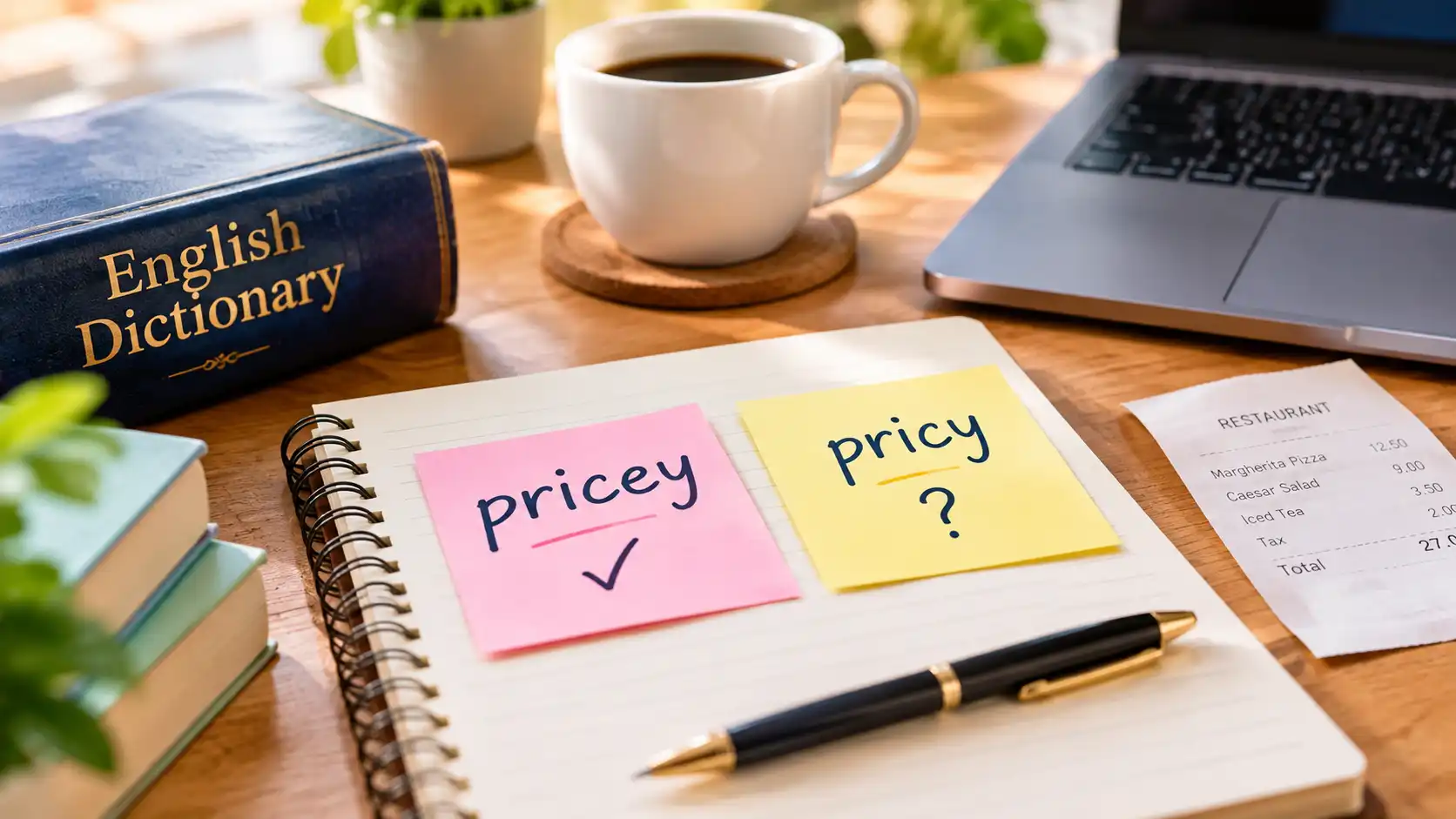
Quick Answer : The correct spelling is PRICEY, not Pricy
Pricey means expensive. For example: ” this restaurant is a little pricey.” Pricy is a common misspelling and is considered incorrect.
You’re writing a product review or a quick text to a friend about a restaurant bill. You type “pricey.” Then you second-guess yourself. Isn’t it “pricy,” without the extra “e”? Spellcheck doesn’t always flag either one, so which is actually correct?
This is a small but common spelling question. People search for it while writing reviews, blog posts, social media captions, or casual emails describing something as expensive. It’s the kind of word you use often in speech but rarely see written down carefully, so the correct spelling isn’t always obvious.
The confusion comes from how English handles adjectives formed from short words ending in a consonant. Adding “-y” to “price” creates an unusual letter combination, and writers have long been unsure whether to keep the silent “e” or drop it. Both forms have existed for decades, and dictionaries don’t fully agree, which is exactly why this question keeps coming up.
This article gives you a clear answer, explains the spelling rule behind it, and shows you which version to use depending on your audience. By the end, you’ll spell it correctly every time.
Pricey or Pricy Quick Answer
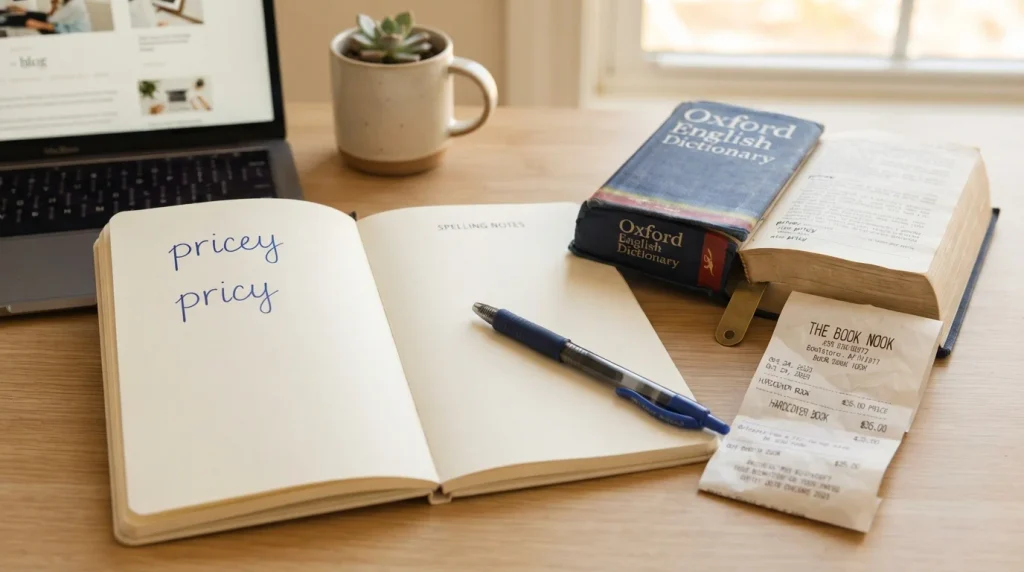
“Pricey” is the more common and widely accepted spelling.
Examples:
- “That restaurant is a bit too pricey for a casual dinner.”
- “The new phone model is pricey but worth the upgrade.”
“Pricy” is a valid alternate spelling, listed in some dictionaries, but it appears far less often in everyday writing, published content, and professional use.
The Origin of Pricey

The word “price” comes from Old French pris, itself derived from Latin pretium, meaning “value” or “worth.” English adopted “price” by the 13th century as a noun describing the cost of something.
The adjective form, meaning “expensive,” developed much later, appearing in informal English by the early-to-mid 20th century. When forming adjectives from short nouns ending in a silent “e,” English generally has two paths: drop the “e” before adding “-y” (like “juice” becoming “juicy”), or keep the “e” for clarity (like “space” becoming “spacey” in some uses).
“Price” followed a less consistent pattern. Some early writers dropped the silent “e” to form “pricy,” following the more common “-y” suffix rule. Others kept the “e” to preserve the clear connection to “price” and avoid any visual confusion, resulting in “pricey.” Over time, “pricey” became the dominant form in published writing, while “pricy” persisted as a minor, less common variant.
British English vs American English Spelling
Both American and British English primarily use “pricey,” though “pricy” appears occasionally in both regions as an accepted but less common variant.
| Style | American English | British English |
| Standard form | pricey | pricey |
| Alternative form | pricy (rare) | pricy (rare) |
| Dictionary status | Merriam-Webster: pricey (primary), pricy (variant) | Oxford: pricey (primary), pricy (variant) |
| Common in casual writing | pricey | pricey |
| Common in formal writing | pricey or “expensive” | pricey or “expensive” |
Unlike true regional spelling differences (such as “color” versus “colour”), this isn’t a US-versus-UK split. Both dialects treat “pricey” as the standard form and “pricy” as a minor accepted variation.
Which Spelling Should You Use?

- US writers: Use “pricey.” It’s the dominant spelling in American dictionaries, media, and everyday writing.
- UK and Commonwealth writers (UK, Australia, Canada, India): “Pricey” is also standard here. “Pricy” appears occasionally but isn’t the preferred form.
- Global and academic writers: Use “pricey” for consistency and broader recognition. It’s the form most readers expect and the one most style guides recommend.
If you’re writing formally, consider using “expensive” or “costly” instead of either spelling, since “pricey” and “pricy” are both considered informal or conversational in tone.
Common Mistakes with Pricey
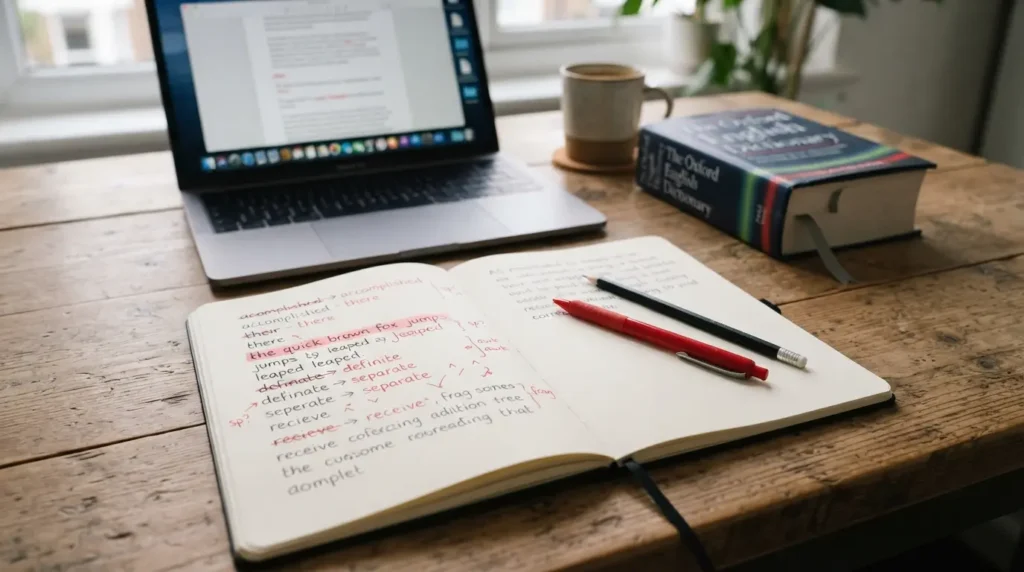
- Using “pricy” in professional writing : While not incorrect, “pricy” looks unusual to most readers and can appear as a typo rather than an intentional spelling choice.
- Confusing it with “pricy” as a typo for “pricey” : Many people accidentally drop the “e” without realizing both are technically valid, just uneven in popularity.
- Overusing “pricey” in formal writing : In business reports or academic writing, “expensive” or “costly” often reads as more polished than the casual “pricey.”
- Assuming “pricey” is wrong : It’s not incorrect, just far less common. Dictionaries list it as a secondary, accepted spelling.
- Adding unnecessary hyphens: Writing “pric-ey” or similar broken forms is never correct.
Pricey in Everyday Examples
In emails: “The vendor quote came back a bit pricey, so let’s compare a few other options before deciding.”
In news: “Consumers are pulling back on pricey holiday purchases as inflation concerns continue.”
In social media: “This coffee shop is so pricey but honestly worth it for the vibes alone.”
In formal writing: “While the software offers advanced features, its subscription cost may be considered pricey compared to competing products.”
Pricey or Pricy Google Trends & Usage Data

Search and usage data consistently show “pricey” far outpacing “pricy” across the United States, United Kingdom, Australia, and other English-speaking regions. “Pricey” appears in product reviews, news articles, and social media at a much higher rate, reflecting its status as the accepted standard.
Interest in the word tends to rise during major shopping periods, like holiday seasons and back-to-school shopping, when consumers frequently discuss whether products or services are worth their cost. “Pricy” sees minimal search volume by comparison, mostly appearing as an occasional stylistic choice rather than a competing standard.
Keyword Variation Comparison Table
| Variation | Common Use | Region |
| Pricey | Standard, most common | US, UK, global |
| Pricy | Rare, accepted alternate | Global (uncommon) |
| Expensive | Formal alternative | Global |
| Costly | Formal/business alternative | Global |
FAQs
1. Is it spelled “pricey” or “pricy”? “
Pricey” is the standard, widely accepted spelling. “Pricy” is a valid but much less common alternative.
2. Is “pricy” incorrect?
No, it’s not incorrect. Major dictionaries list it as a secondary, accepted variant, but it’s rarely used compared to “pricey.”
3. Which spelling should I use in a review or blog post?
Use “pricey” for the most natural, widely recognized choice that readers will expect.
4. Does British English spell it differently from American English?
No. Both American and British English primarily use “pricey,” with “pricy” appearing occasionally in both regions.
5. Why does “pricey” keep the letter “e” before adding “-y”?
Keeping the “e” helps preserve the clear visual connection to the root word “price,” avoiding potential confusion with other short words.
6. Is “pricey” formal or informal?
It’s considered informal or conversational. For formal writing, consider using “expensive” or “costly” instead.
7. Which spelling is better for SEO?
Use “pricey” as your primary keyword, since it has significantly higher search volume and recognition than “pricy.”
Conclusion
“Pricey” is the correct, standard spelling used across both American and British English, while “pricy” remains a rare but technically accepted alternative. The word developed from “price” in the early-to-mid 20th century, and writers eventually settled on keeping the silent “e” to preserve a clear connection to the root word.
Unlike true regional spelling differences, this isn’t a US-versus-UK issue. Both dialects overwhelmingly favor “pricey” in everyday writing, reviews, and casual conversation. “Pricy” isn’t wrong, but it’s uncommon enough that using it may come across as a typo rather than an intentional choice.
For nearly all writing, stick with “pricey.” If you’re writing something formal, like a business report or academic paper, consider swapping in “expensive” or “costly” instead, since both spellings of “pricey” carry a casual, conversational tone.

Haleema Sadia is a passionate content writer specializing in wishes, greetings, messages, and heartfelt quotes. With 3 years of experience, she creates warm, engaging, and SEO-friendly content that helps readers find the perfect words to celebrate special moments and express their feelings.