You’ve probably seen the phrase “smash or pass” pop up on social media, in a group chat, or during a party game with friends. Someone shows a photo or name, and everyone has to quickly decide: smash or pass. But what does it actually mean, where did it come from, and how do you play it appropriately?
People search for this term because the game has become a popular internet trend, particularly on platforms such as TikTok, Instagram, and YouTube. However, newcomers may struggle to understand the rules and social etiquette because people do not always explain them clearly. People also use the term casually online, so newcomers may wonder whether they mean a simple, lighthearted game or a more serious discussion.
This article explains exactly what the “smash or pass” game is, where the phrase comes from, how people typically play it, and which etiquette they should follow. Because the game involves personal opinions about attraction, players should always treat others respectfully, involve only consenting adults, and never include anyone underage.
Smash or Pass Quick Answer

“In the casual social game “smash or pass,” players look at a photo, name, or description of a person, often a celebrity or fictional character, and quickly decide whether they find that person attractive or would rather pass.
Example round:
- The player shows a photo of a celebrity.
- Other players respond instantly with “smash” or “pass,” often followed by a quick, joking explanation.
Friends typically play the game for entertainment, often adding humorous or exaggerated reactions. They most commonly use it to discuss celebrities or fictional characters rather than people they know personally.
The Origin of Smash or Pass
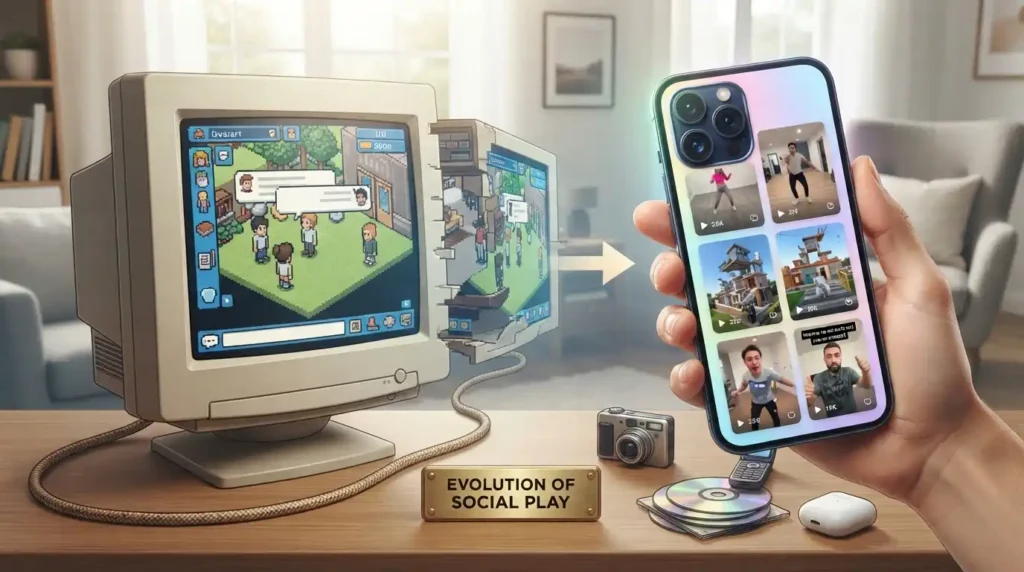
Internet and hip-hop culture began using “smash” as slang for sexual attraction or sexual activity in the early 2000s, and social media later helped popularize the term during the 2010s. “Pass,” in this context, simply means declining or rejecting the option, similar to passing on a turn in a card game.
The “smash or pass” format itself grew out of earlier “hot or not” style games and websites from the early 2000s, where users rated photos of people as attractive or unattractive. As slang evolved, “smash or pass” became the more commonly used version among younger audiences, especially gaining massive popularity through YouTube reaction videos and later TikTok trends in the late 2010s and early 2020s, where creators would react to photos of celebrities, cartoon characters, or even food items in humorous, exaggerated ways.
The game’s simplicity, a fast, binary choice, contributed to its viral spread, since it’s easy to adapt into short-form video content, group chat games, or party icebreakers.
Common Formats and Variations
People have adapted the core “smash or pass” concept into several different formats for social media and casual gatherings.
| Format | How It’s Played | Common Platform |
| Classic version | Rate real people (celebrities) as smash or pass | TikTok, YouTube, group chats |
| Fictional character version | Rate cartoon, anime, or movie characters | YouTube, Reddit, gaming communities |
| Food or object version | Humorous twist rating non-human items | TikTok, meme pages |
| Party game version | Played in person with printed photos or a list of names | Parties, sleepovers, casual hangouts |
Many creators also combine the game with commentary, jokes, or debates about their choices, turning it into entertainment content rather than a strict rating system.
Etiquette and Guidelines for Playing Respectfully

- Keep it lighthearted: The game works best as casual entertainment, not as a way to seriously judge or hurt someone’s feelings.
- Avoid using real photos of people you know without their consent: Using photos of friends, coworkers, or acquaintances without permission can be uncomfortable or hurtful; stick to celebrities, fictional characters, or willing participants.
- Never include anyone underage: The game should only ever involve adults, and any content or reactions involving minors is never appropriate, regardless of context or framing.
- Be mindful of your tone in public content: If you share gameplay on social media, keep your reactions respectful and avoid crude or demeaning comments about the real people you discuss.
- Read the room: Not everyone enjoys this type of game; check that all participants are comfortable before starting.
Common Mistakes When Playing or Discussing Smash or Pass

- Confusing it with a dating or matchmaking game : It’s purely a casual opinion game, not a tool for real romantic connections.
- Using inappropriate or non-consensual photos : Always avoid rating real acquaintances without their knowledge or consent.
- Taking the game too seriously: Players should treat it as lighthearted entertainment rather than using it to judge someone’s worth or character.
- Assuming it’s suitable for all audiences : The game’s premise centers on romantic or physical attraction, making it appropriate only for adult participants.
- Overusing it in professional or public settings : It’s a casual, informal game best kept to private social settings rather than workplaces or formal events.
Smash or Pass in Everyday Examples
In a group chat: “Starting a smash or pass round with movie villains, who’s in?”
In social media captions: “Reacting to 2000s cartoon characters: smash or pass edition. The situation became heated.😂”
In casual conversation: “We played smash or pass with old boy band photos at the sleepover, it was hilarious.”
In content creation/formal description: “The video format known as ‘smash or pass’ invites viewers to vote on featured personalities through comment reactions, driving high engagement rates.”
Smash or Pass Google Trends & Usage Data
Search interest in “smash or pass” has grown significantly since the late 2010s, closely tied to the rise of TikTok and short-form video content. The United States shows the highest search volume, with notable interest also coming from the United Kingdom, Canada, and Australia, where the trend spread widely through youth and young adult social media audiences.
Search spikes often align with pop culture moments, celebrity trends, or viral TikTok challenges, when creators release new “smash or pass” content featuring trending public figures or characters. The keyword also sees consistent interest from content creators researching video ideas and audience engagement formats.
Keyword Variation Comparison Table
| Variation | Common Use | Platform/Context |
| Smash or pass | Standard, most searched term | TikTok, YouTube, general use |
| Smash or pass game | Referring to the structured game format | Group settings, party games |
| Hot or not | Earlier, related concept | Early 2000s websites |
| Rate or hate | Similar rating-style game | Casual social games |
FAQs
1. What does “smash or pass” mean?
It’s a casual game where players decide whether they find someone attractive (“smash”) or not (“pass”), usually based on a photo or description.
2. Where did “smash or pass” come from?
It evolved from earlier 2000s “hot or not” style rating games and gained massive popularity through YouTube and TikTok content in the late 2010s.
3. Is “smash or pass” appropriate for all ages?
No. Since the game centers on romantic or physical attraction, it’s intended for adult participants only.
4. Can you play “smash or pass” with people you know?
It’s best to avoid using photos of real acquaintances without their consent; the game is more commonly played using celebrities or fictional characters.
5. Is “smash or pass” the same as “hot or not”?
They’re similar in concept, but “hot or not” refers to an older rating format, while “smash or pass” is the more modern, slang-driven version popularized through social media.
6. Why is “smash or pass” so popular on TikTok?
Its simple, binary format makes it easy to turn into short, engaging video content, which fits well with TikTok’s fast-paced style.
7. Can “smash or pass” be played with things other than people?
Yes, many creators use humorous variations, rating foods, cartoon characters, or even everyday objects for comedic effect.
Conclusion
“Smash or pass” is a casual social game where players quickly decide whether they find someone or something attractive, evolving from earlier internet rating trends into a viral social media format popularized through platforms like YouTube. Its simple, binary structure made it easy to adapt into countless variations, from celebrity rounds to fictional characters and even humorous non-human categories.
While the game is generally lighthearted, it’s important to keep it respectful, avoid using real photos of people without their consent, and remember that it’s intended strictly for adult participants given its focus on romantic or physical attraction.
Whether you’re curious about the trend, planning to play with friends, or creating content around it, understanding its origins and etiquette will help you enjoy it the way it’s meant to be played: casual, fun, and respectful of everyone involved.

Haleema Sadia is a passionate content writer specializing in wishes, greetings, messages, and heartfelt quotes. With 3 years of experience, she creates warm, engaging, and SEO-friendly content that helps readers find the perfect words to celebrate special moments and express their feelings.